How to read a Pokémon card
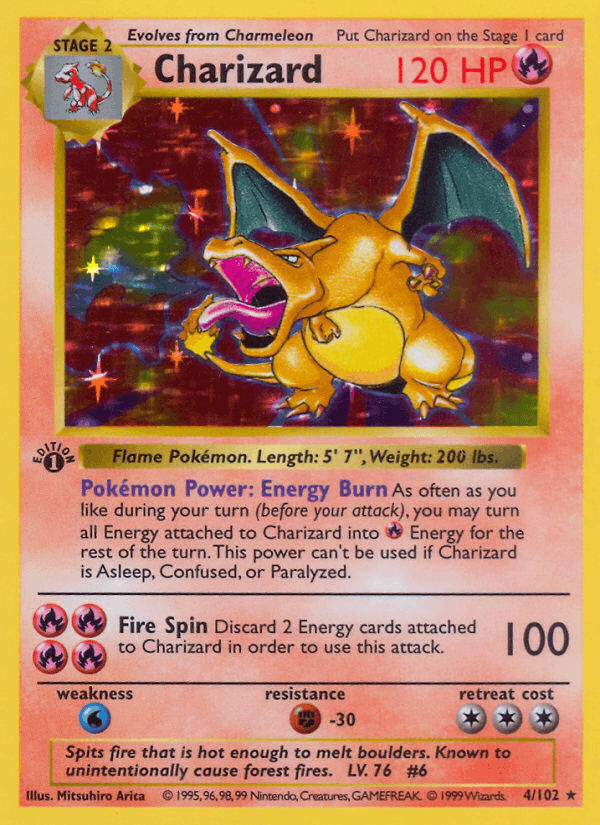
A Pokémon card names itself in its bottom corner. The set code names the set, the number names the card, and the small symbol shows its rarity. Those three are what you need to price it.
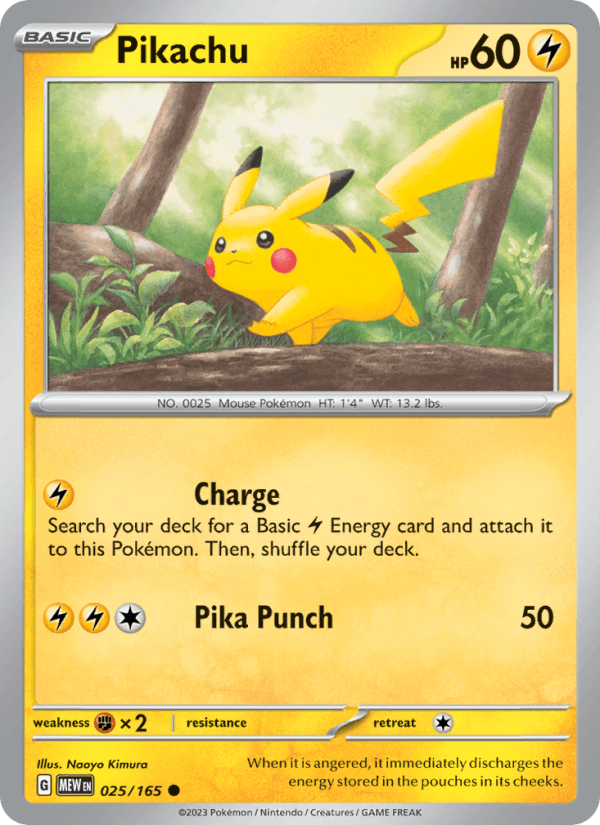

Which part of the card are you looking at?
The top line
The name, the HP and the type.
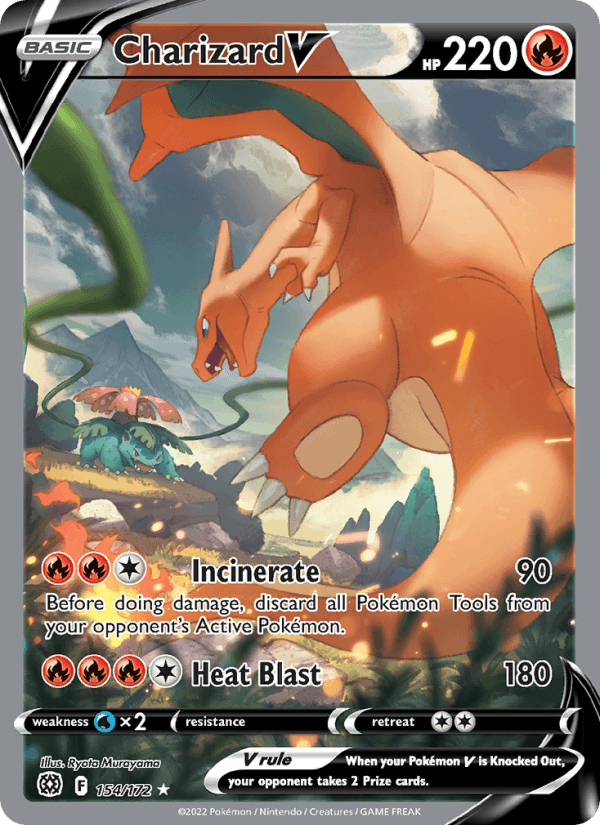
- The name sits top left. Letters after it, such as ex or V, mark a stronger card.
- HP is how much damage the Pokémon takes before it is knocked out.
- The symbol top right is its type, such as fire or water.
The picture
The artwork and who drew it.
- The artist's name is printed small, under or beside the picture.
- On a full art card the picture covers the whole face.
The middle
The attacks and abilities.
- The symbols before an attack are the energy it costs.
- The number after it is the damage it does.
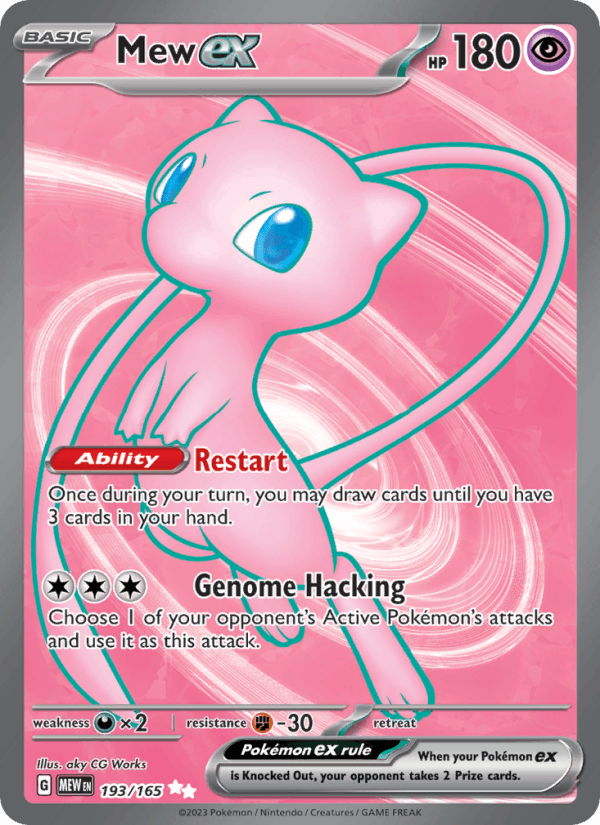
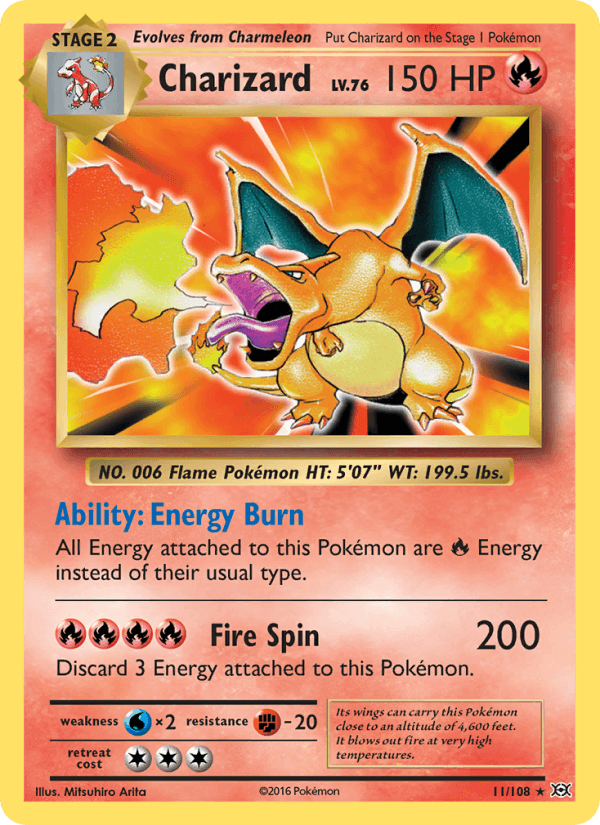
- Red text in a box is an ability. It works without attacking.
The bottom strip
Weakness, resistance and retreat cost.
- Weakness: the type that does double damage to it.
- Retreat cost: the energy you discard to swap it out.
The bottom corner
The part collectors read first.
- The set code or set symbol says which set it is from.
- The number says which card in that set.
- The small shape or star is the rarity.
- The bottom corner holds the set, the card number and the rarity.
- A number above the set total, such as 215 of 198, marks a secret rare.
- A letter in a small box is the regulation mark. It matters to players, not to value.
- The artist's name is on every card, and some artists are collected.
- Cards since 2023 print a set code. Older cards print a set symbol picture.
The bottom corner, piece by piece
| What you see | What it is | Why it matters |
|---|---|---|
| Three or four letters, such as SVI | The set code. Cards since 2023 carry one. | It names the set. Search by it. |
| A small picture symbol | The set symbol on older cards. | It does the same job as the code. |
| Two numbers, such as 4 of 102 | The card's number and the set's size. | Number and set together name one exact card. |
| A circle, a diamond or stars | The rarity. | It says how hard the card is to pull. |
| A letter in a box | The regulation mark. | Players check it to see if a card is legal to play. |
| EN, JP or another pair of letters | The language. | The same card is priced apart in each language. |
Find your card with what you read
- Note the number and the set.Write down the card number and the set code, or describe the set symbol.
- Search our card pages.Type the Pokémon's name and the number into card search.
- Or scan it.Our scanner reads the card through your phone's camera and opens its page.
- Pick the printing.Choose holo, reverse holo or first edition on the page. Each has its own price.
 Charizard$334 rawOur scannerOr let the scanner read itIt names the card and prices it in a few seconds. There is nothing to install.Scan a card →
Cards that break the pattern
- Promo cards carry a black star with the word PROMO, and their own numbering.
- Secret rares are numbered above the set total.
- Some old cards have no set symbol at all. Base Set is the best known.
- Energy cards and code cards have no rarity symbol.
In stock today below its usual price
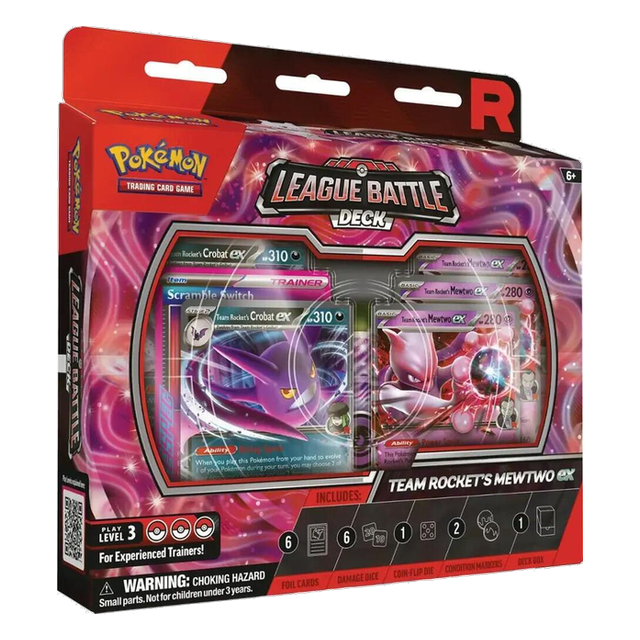
Sealed products on sale right now, ranked by how far each sits under its usual price. Tap one for its price history.



Common questions
Where is the set symbol on a Pokémon card?
In the bottom corner, beside the card number. Cards since 2023 print a short set code there. Older cards print a small picture symbol.
What do the numbers at the bottom of a Pokémon card mean?
The first is the card's number and the second is how many cards the main set has. A card numbered above that total is a secret rare.
What is the letter in the box on a Pokémon card?
The regulation mark. Organised play uses it to decide which cards are legal in the current format. It has no effect on a card's price.
How do I know which set my Pokémon card is from?
Read the set code or set symbol in the bottom corner. Search the code with the card number on our card pages and the set comes up.
Does the artist matter on a Pokémon card?
For some collectors, yes. Cards by well loved artists sell for more, and illustration rares are collected for the art itself.
More guides




Use our tools
 Scan a cardPoint your phone at a card. It tells you which card it is and what it is worth.Open →Every set and its pricesPick a set and see what each of its products costs today.Open →
 Track your collectionA free binder that values your cards and sealed products as prices move.Open →Master set bindersA binder with a numbered slot for every card in a set. Fill it as you collect.Open →
 Trade TableLay two sides of a trade out and see whether it is fair at today's prices.Open →
Get the daily deals in your inbox
The best international Pokémon deals, free, every morning. No spam, unsubscribe anytime.