What is my Pokémon card worth?
A card is worth what copies in the same condition sell for now. Three things set that figure: which exact card it is, which printing, and its condition. Our card pages show the price for each, raw and graded.


What do you have?
One card
Find the card number and the set symbol in the bottom corner.
- Search our card pages for the name and the number.
- Pick the printing and the condition on its page.
- The price shown is for a copy like yours.
A pile of cards
Sort before you price. Most of the value sits in a few cards.
- Pull out every holo, every full art card and anything from before 2003.
- Scan those with your phone. The scanner names each card and prices it.
- The plain commons left over sell in bulk, for a small sum.
A graded card
A graded card is priced by its company and its grade.
- Check the cert number on the grader's own site first.
- Find the card's page and pick that company and grade.
- The same grade from a small company sells for less.
A sealed box
Sealed products have a live price.
- Find the set on our set pages.
- The product's page shows today's lowest price and its usual price.
- An opened box is worth the cards inside, not the box price.
- The name is not enough. The set and the card number decide which card you hold.
- The same card comes in several printings. Holo, reverse holo and first edition are priced apart.
- Condition moves the price most. A worn copy sells for a fraction of a clean one.
- Asking prices are not values. Look at what buyers paid.
- Most cards are worth cents. A few in every set carry the value.
Find the exact card
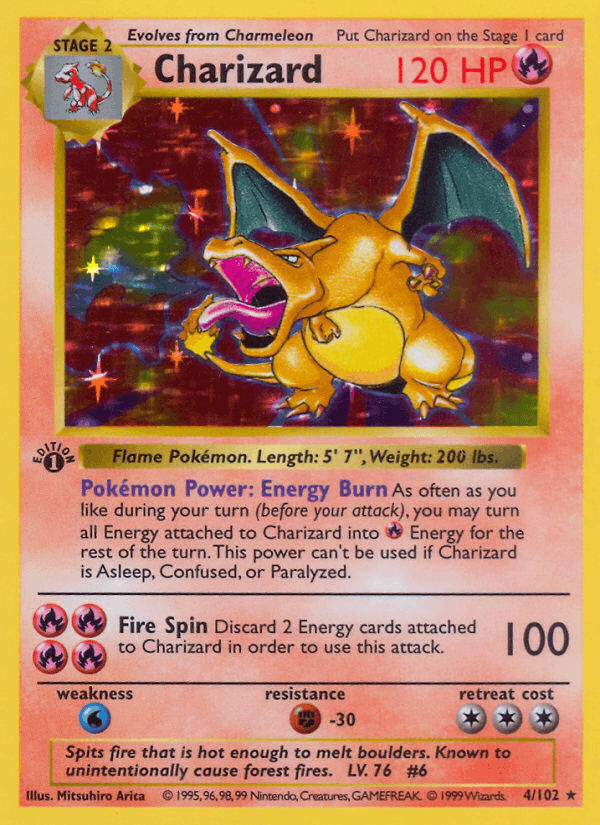
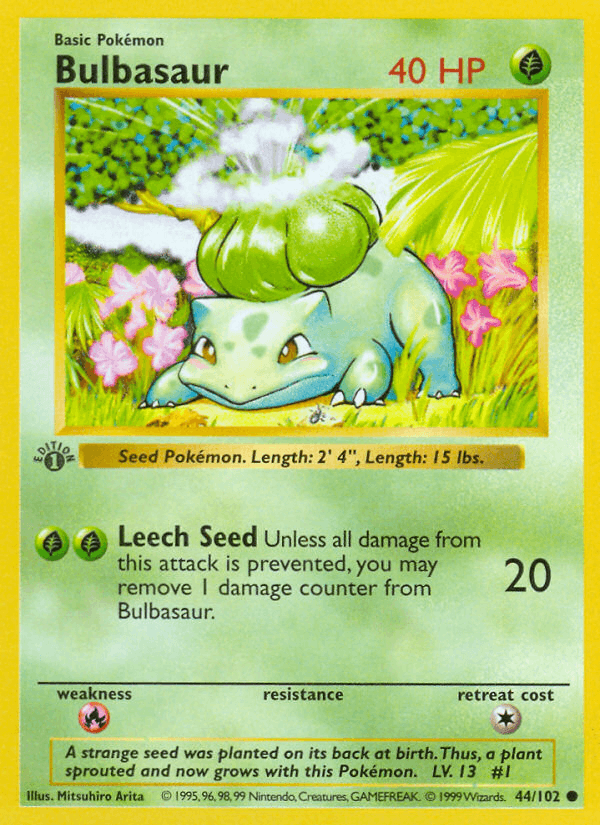
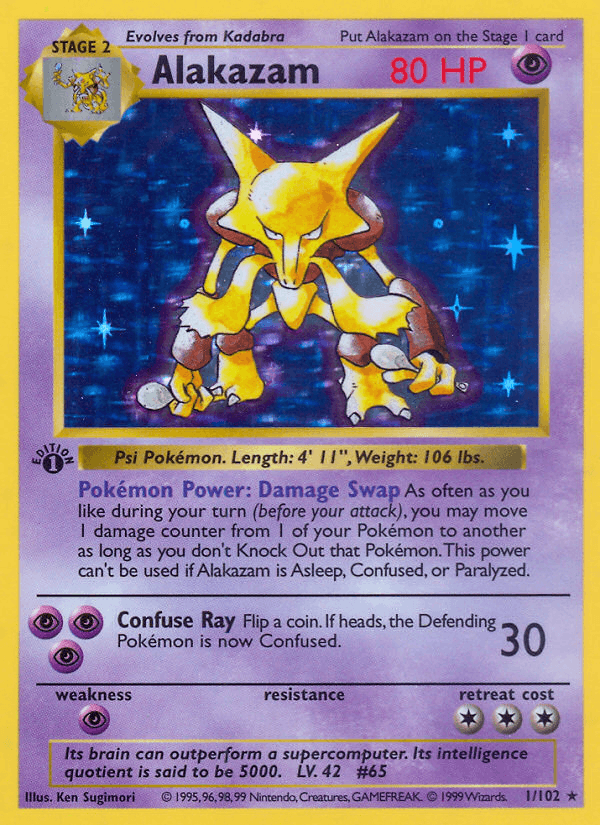
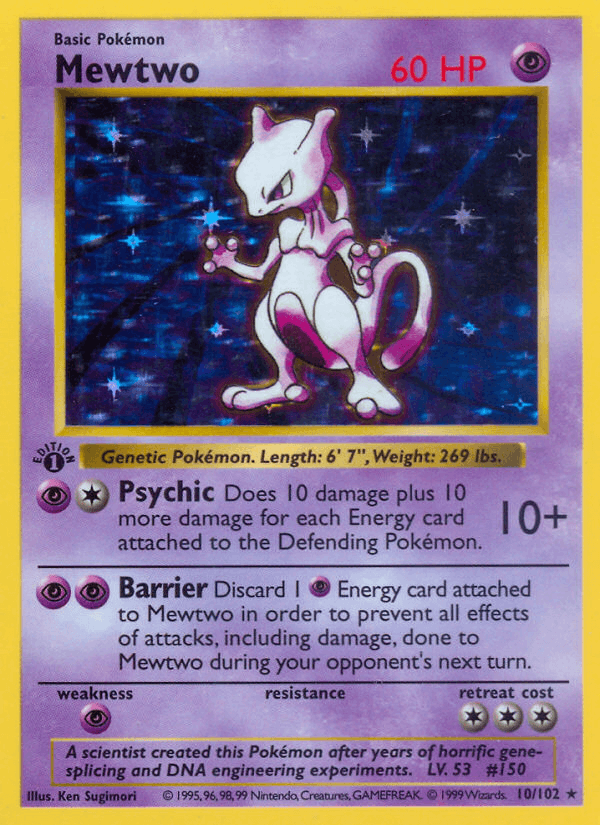
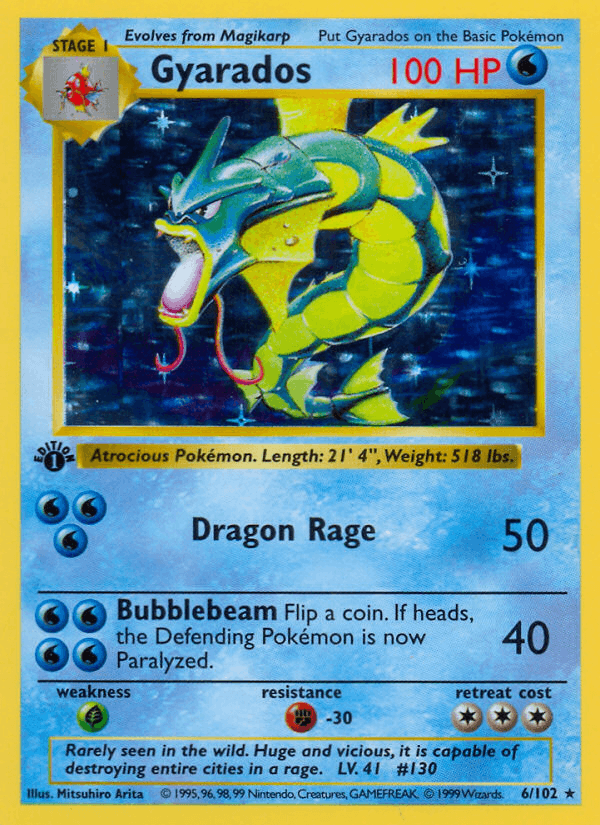
- Read the bottom of the card.You want the card number, such as 4 of 102, and the small set symbol beside it.
- Match the set.Many Pokémon have dozens of cards. The set symbol and the number tell them apart.
- Check the printing.Look for a first edition stamp, a shiny picture, or a shine over everything but the picture.
- Note the language.The same card in Japanese, English or German has a different price. Our card pages cover 13 languages.
 Charizard$334 rawOur scannerPoint your phone at the cardIt names the card and prices it in a few seconds. There is nothing to install.Scan a card →
Judge the condition
Condition moves the price more than anything else. Check the card out of its sleeve, under a bright light.
- Corners: white specks on the blue back lower the price.
- Surface: scratches on a holo show when you tilt the card.
- Creases and bends: one crease drops a card several steps.
Our condition guide has a checklist that names the condition for you.
Use sold prices, not asking prices
Anyone can ask any price. A value is what buyers paid.
- Look at sales from the last month, not at one listing.
- Throw out the highest and the lowest. The middle is the value.
- Match the condition. A price for a mint copy says nothing about a worn one.
Our card pages do this work. Each price is the middle of the market for that printing and condition.
Raw price and graded price
A raw card is one that has not been graded. A graded card sits in a sealed case with a grade from 1 to 10.
A top grade can multiply the price. A middle grade often sells for less than the cost of grading.
Our grading guide works the sum through with real cards.
Four cards, priced today
Charizard 4 (Base Set)$334 rawUmbreon VMAX 215 (Evolving Skies)$1,855 raw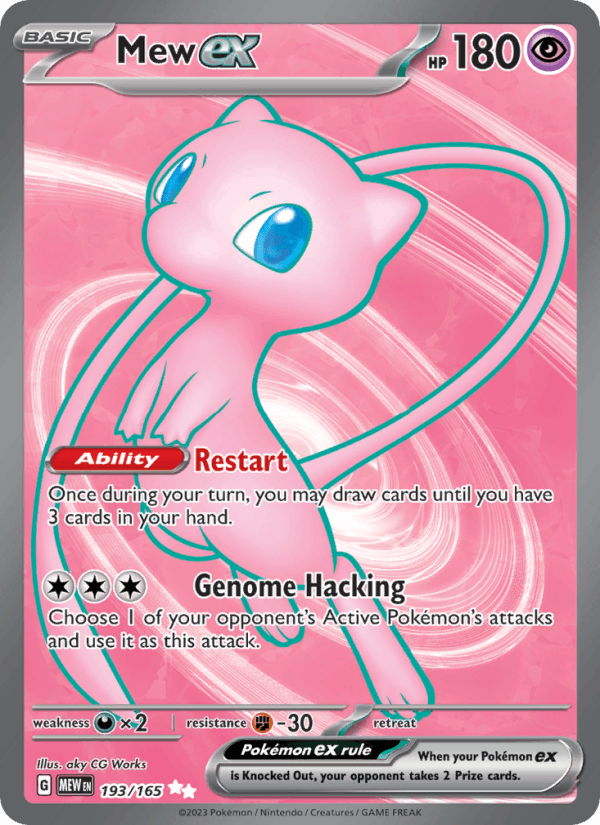 Mew ex 193 (151)$29.01 raw
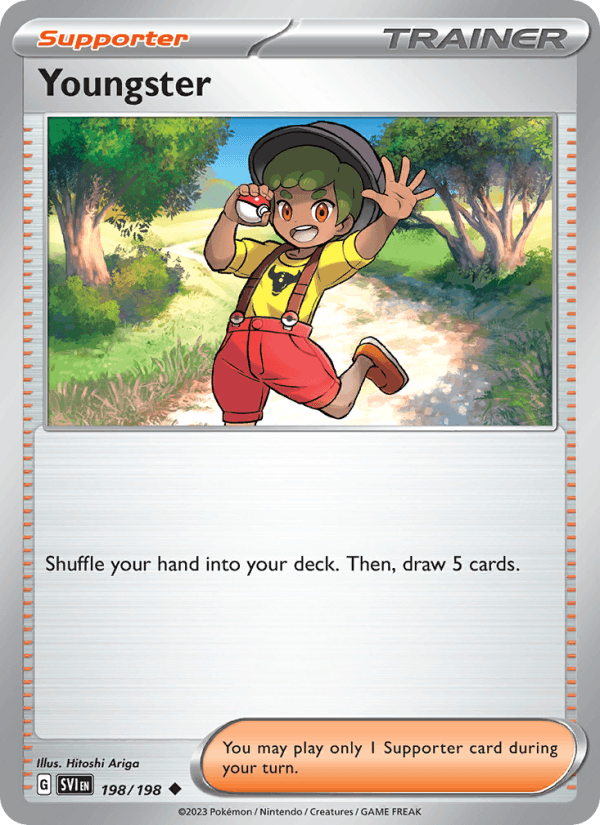 Youngster 198 (Scarlet & Violet)$0.07 raw
From our own card data, read today. The gap between raw and graded is why condition matters so much.
| Card | Raw | Best graded price |
|---|---|---|
| Charizard 4 (Base Set) | $334 | PSA 10 at $12,307 |
| Umbreon VMAX 215 (Evolving Skies) | $1,855 | TAG 10 at $4,499 |
| Mew ex 193 (151) | $29.01 | ACE 10 at $113 |
| Youngster 198 (Scarlet & Violet) | $0.07 | No graded sales |
What makes a card valuable
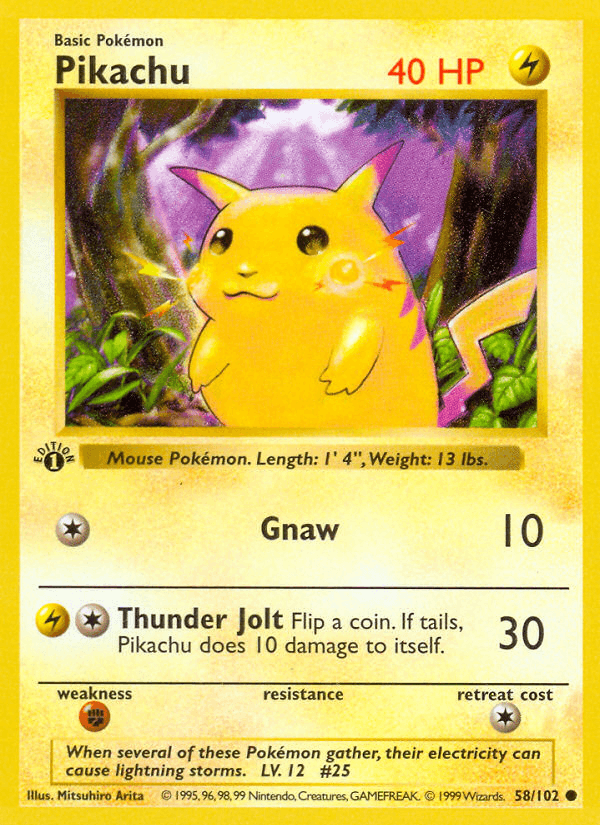
- The Pokémon. Charizard, Pikachu, Umbreon and the first 151 lead most sets.
- The rarity. Full art and gold cards are printed in far smaller numbers.
- The age. Few cards from 1999 to 2003 survive in clean condition.
- The condition. A clean copy of a plain card can beat a worn rare one.
Old does not mean valuable. A worn common from 1999 is worth cents.
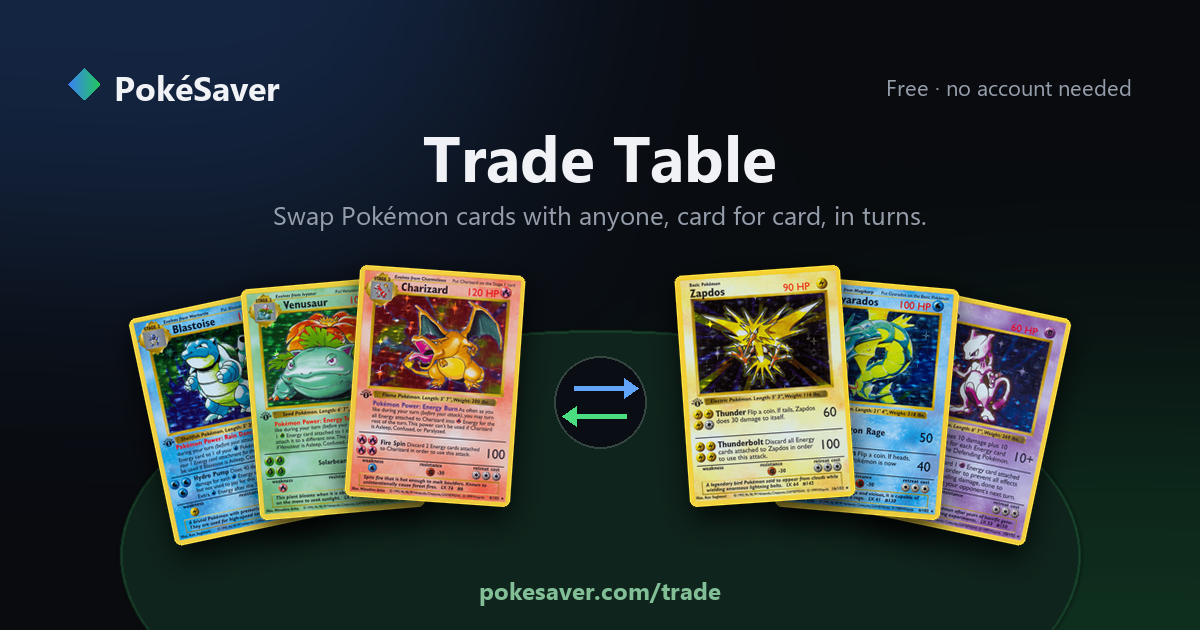 Trade TableSwapping a card, not selling it?Lay both sides out on the Trade Table. It prices each side at today's values.Open a table →
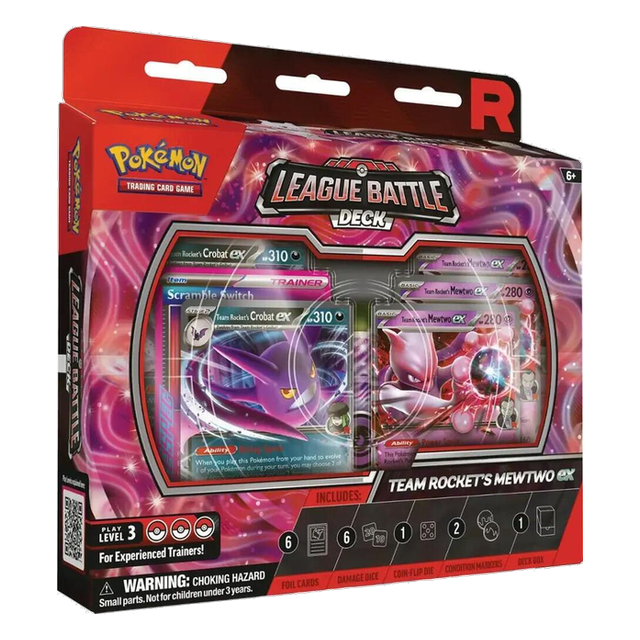
Sealed products below their usual price today
Sealed products on sale right now, ranked by how far each sits under its usual price. Tap one for its price history.



Common questions
How do I find out what my Pokémon card is worth?
Find the card number and the set symbol in the bottom corner. Look that exact card up, pick the printing and the condition, and read the price for copies like yours.
Is there an app that tells you what a Pokémon card is worth?
Our scanner works in your phone's browser with nothing to install. Point the camera at a card and it names the card and shows its price.
Are old Pokémon cards worth money?
Some are. Holo cards from 1999 to 2003 in clean condition sell well, and first edition copies sell for far more. Worn commons from the same years are worth little.
Are my energy cards worth anything?
Plain energy cards are worth almost nothing, because every set prints them by the million. A few special energy cards with full art are the exception.
Why is the same card listed at such different prices?
Listings mix printings, languages and conditions, and some sellers ask far too much. Compare copies that match yours, and look at what sold.
More guides

Use our tools
 Scan a cardPoint your phone at a card. It tells you which card it is and what it is worth.Open →Card pricesLook up any card: raw price, graded prices and how many exist in each grade.Open →
 Track your collectionA free binder that values your cards and sealed products as prices move.Open →Every set and its pricesPick a set and see what each of its products costs today.Open →Master set bindersA binder with a numbered slot for every card in a set. Fill it as you collect.Open →Trade TableLay two sides of a trade out and see whether it is fair at today's prices.Open →
Get the daily deals in your inbox
The best international Pokémon deals, free, every morning. No spam, unsubscribe anytime.