How to spot a fake Pokémon card
Put the card beside one you know is real from the same years. A fake gives itself away on the back, in the font and in how light passes through it. No single test is proof, so run several.
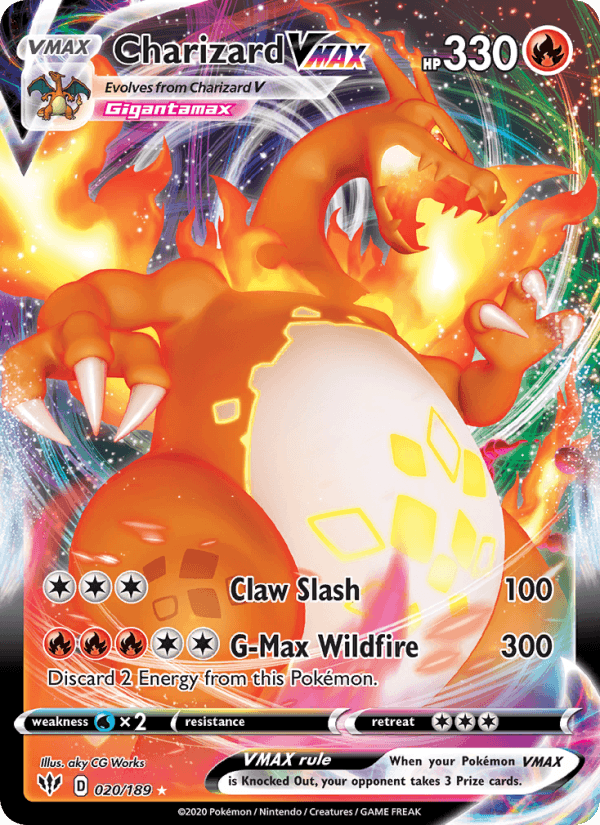
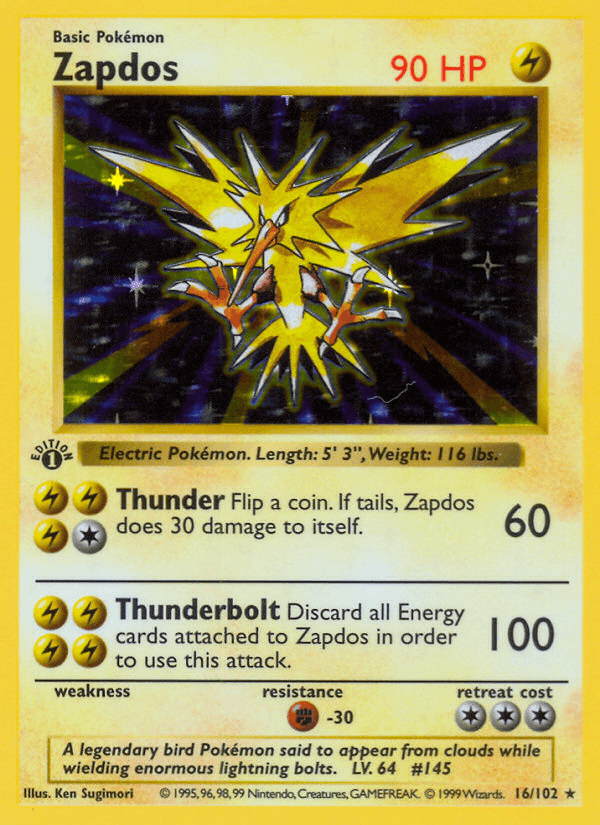
Tick every warning sign you can see
Each tick adds to the meter. The verdict is underneath.
- Compare with a real card of the same era. Side by side, most fakes are obvious.
- The back is the fastest test. Fakes print it too light, too dark or too purple.
- Hold it to a light. A real card blocks most of it. Many fakes glow.
- Full art and gold cards have a fine texture you can feel. Most fakes are smooth.
- Cheap lots that promise rare cards are the main source of fakes.
The three fastest tests
- Compare the backs.Lay it face down beside a real card. Look at the blue swirl, the border and the Poké Ball. A fake is off in color or sharpness.
- Hold it to a light.A real card has a dark layer inside that blocks light. A phone flashlight behind a fake often lights the whole card.
- Feel it.A real card is stiff and springs back. Fakes feel thin, slippery or like photo paper.
Read the print
- The font. Real cards use one typeface for each era. Fakes come close and miss.
- The spelling. Look for errors in the attack text and a missing accent on Pokémon.
- The energy symbols. On fakes they are too large, off center or blurred.
- The numbers. HP of 1000 or damage in the thousands means a fake or a joke card.
- The colors. Fakes look washed out or far too bright beside a real card.
Texture on rare cards
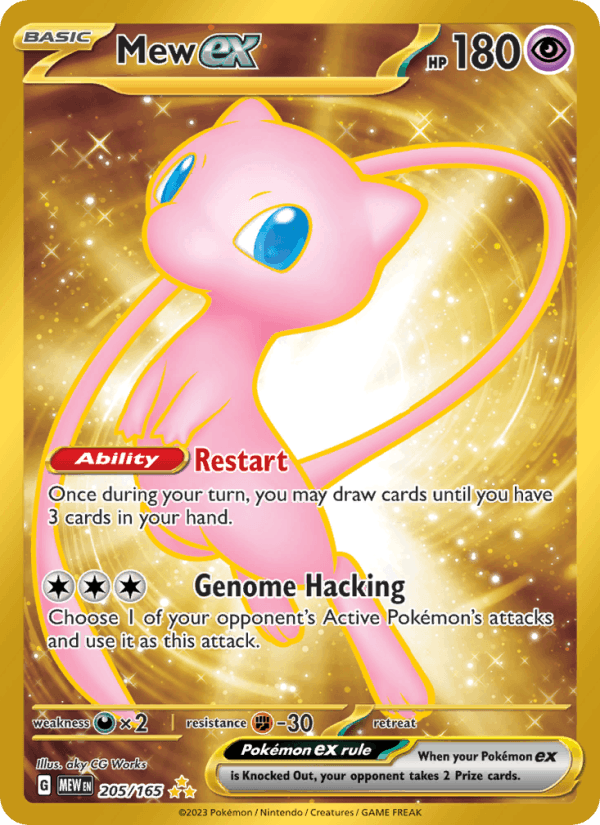
Since 2011 most full art cards carry a fine texture, like a fingerprint pressed into the surface.
- Tilt the card. The texture catches the light in fine lines.
- Run a fingertip across it. You can feel the ridges.
- A smooth, glossy full art card is the most common fake of all.
Standard ex and V cards are smooth by design. Texture belongs to full art, rainbow and gold cards.


Fake booster packs
- The seal. Real packs have a flat, even crimp at the top and the bottom.
- The art. Fake packs are blurry and their colors are dull.
- The price. A new pack far below the going rate is a warning.
- The cards inside. A rare in every pack means the packs are fake.
Our guide to fake and resealed boxes covers sealed products in full.
Where fakes come from
- Lots of 50 or 100 cards that promise several rare ones for a few dollars.
- Market stalls, tourist shops and vending machines.
- Listings shipped from abroad with stock photos.
- Any seller of a famous card at a fraction of its price.
If you bought a fake
- Sold as real? That is goods not as described. Ask for a full refund.
- Message the seller in writing, with photos beside a real card.
- No refund? Open a claim with the marketplace or your card issuer.
- Do not pass the cards on as real.
What our scanner does and does not do
Our scanner names a card and prices it. It does not judge whether a copy is real.
Run the checks on this page first, then scan the card for its price.
Real sealed products below their usual price today
Sealed products on sale right now, ranked by how far each sits under its usual price. Tap one for its price history.



Common questions
How can you tell if a Pokémon card is fake?
Compare it with a real card from the same years. Check the blue on the back, hold it to a light, feel its stiffness and read the font. Several faults together mean a fake.
Does the light test work on Pokémon cards?
It helps. Real cards have a dark inner layer and let little light through. Many fakes glow with a light behind them. Some better fakes pass, so use other tests too.
Should I rip a card to see if it is real?
No. Tearing shows the dark layer inside a real card, but it destroys the card. The back, the light and the print tell you enough.
Are Pokémon cards from online marketplaces fake?
Most are real. The risk sits in cheap lots that promise rare cards, and in famous cards at a fraction of their price. Buy single cards from sellers who show both sides.
Can a grading company tell if a card is fake?
Yes. Graders check every card and send fakes back ungraded. You still pay, so run these checks before you send a card.
More guides


Use our tools
 Scan a cardPoint your phone at a card. It tells you which card it is and what it is worth.Open →
 Track your collectionA free binder that values your cards and sealed products as prices move.Open →Every set and its pricesPick a set and see what each of its products costs today.Open →
 Trade TableLay two sides of a trade out and see whether it is fair at today's prices.Open →
Get the daily deals in your inbox
The best international Pokémon deals, free, every morning. No spam, unsubscribe anytime.